
The topic newsrooms" remains on the agenda of many companies and is even gaining momentum.
SCOM Social
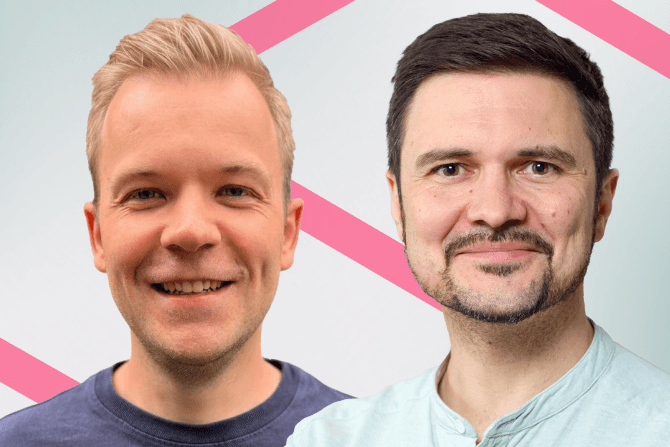
Michael Schmitz // Head of Strategy Consulting & Partner Development
Michael Schmitz joined the Scompler team on November 1, 2019. We asked him about his reasons for making the move, the focus of his work, and his assessment of trends in the market for content strategy, brand management, and the importance of a functioning ecosystem for providers of content operations platforms.
Hello Michael, you've been with Scompler for just over 100 days now. How are you finding your new role?
To be completely honest and personal: I used to start my working day in the car, commuting from beautiful Upper Bavaria to Munich for an hour or more, and then doing the same thing again in the evening. At Scompler, we work virtually, of course, and are intensively engaged with the topic Work. This shapes our collaboration with clients, internal projects, and the coordination of the teams in Frankfurt and Munich. We have a great deal of freedom in where and how we work. I consider it a gift to be able to use these two hours in a meaningful way. It also allows me to experience and shape my business and private life in a different way.
That's why I feel very comfortable. But of course, there are also reasons related to the content itself: First, I'm currently working at one of the most exciting interfaces in content marketing that I can imagine: strategy and technology. Secondly, I am delighted that more and more companies are consciously opting for a strategic, topic-centered approach and how they are using tools such as Scompler in multiple ways to organize their content planning, production, and distribution. As a content strategist, it's super exciting for me to see how the strategy begins to take shape and suddenly has an impact on content production in daily practice. How teams are given support for their job, namely to create good content.
Last but not least, at Scompler I meet lots of like-minded people and a cool team of developers. The speed at which marketing technology is currently evolving is breathtaking to me, and when I look at our roadmap and the 2020 update that we will be presenting at this year's CMCX, I get even more excited!
What trends do you see in the market for the near future?
Let me pick out two trends that have a particular impact on us as a platform provider.
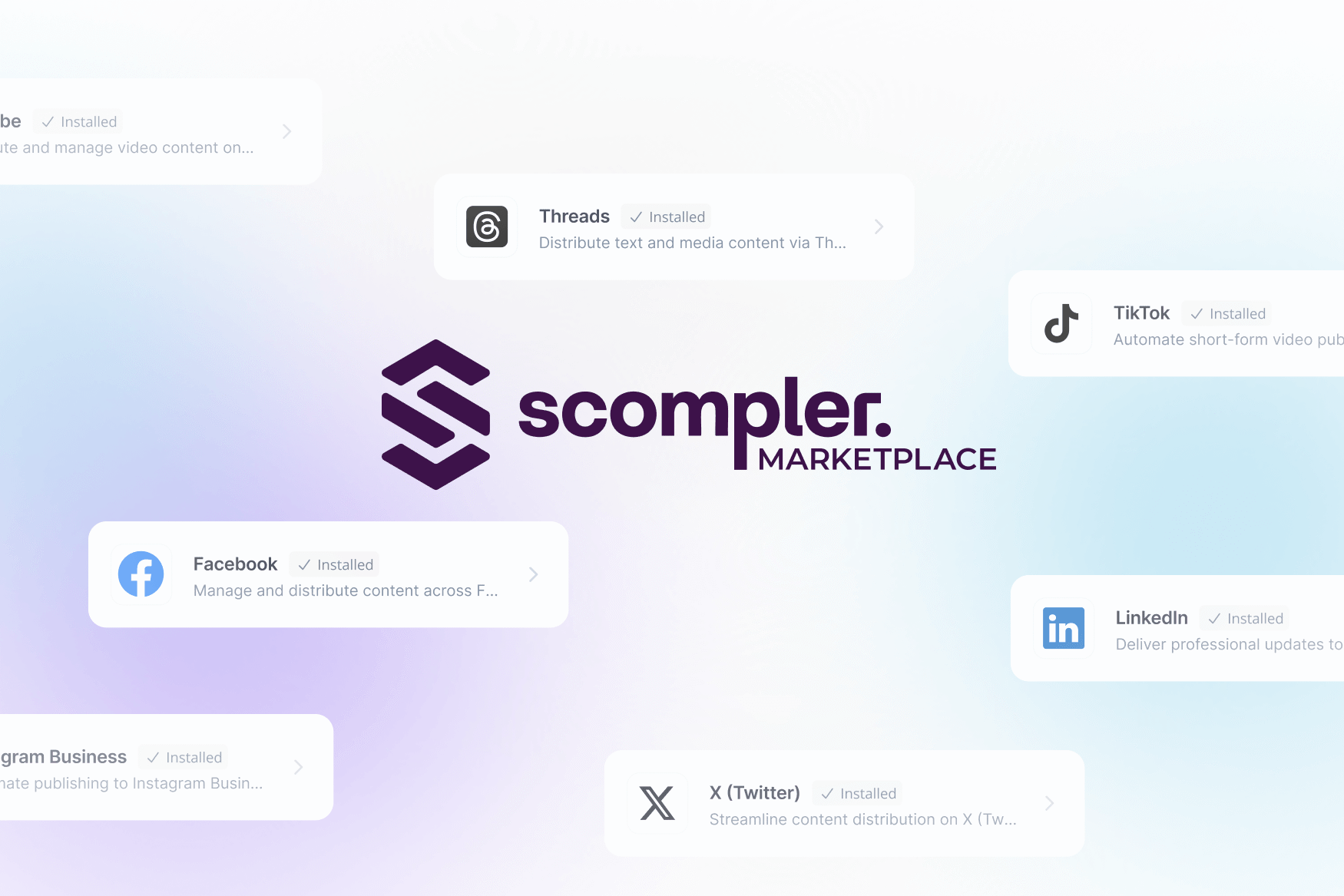
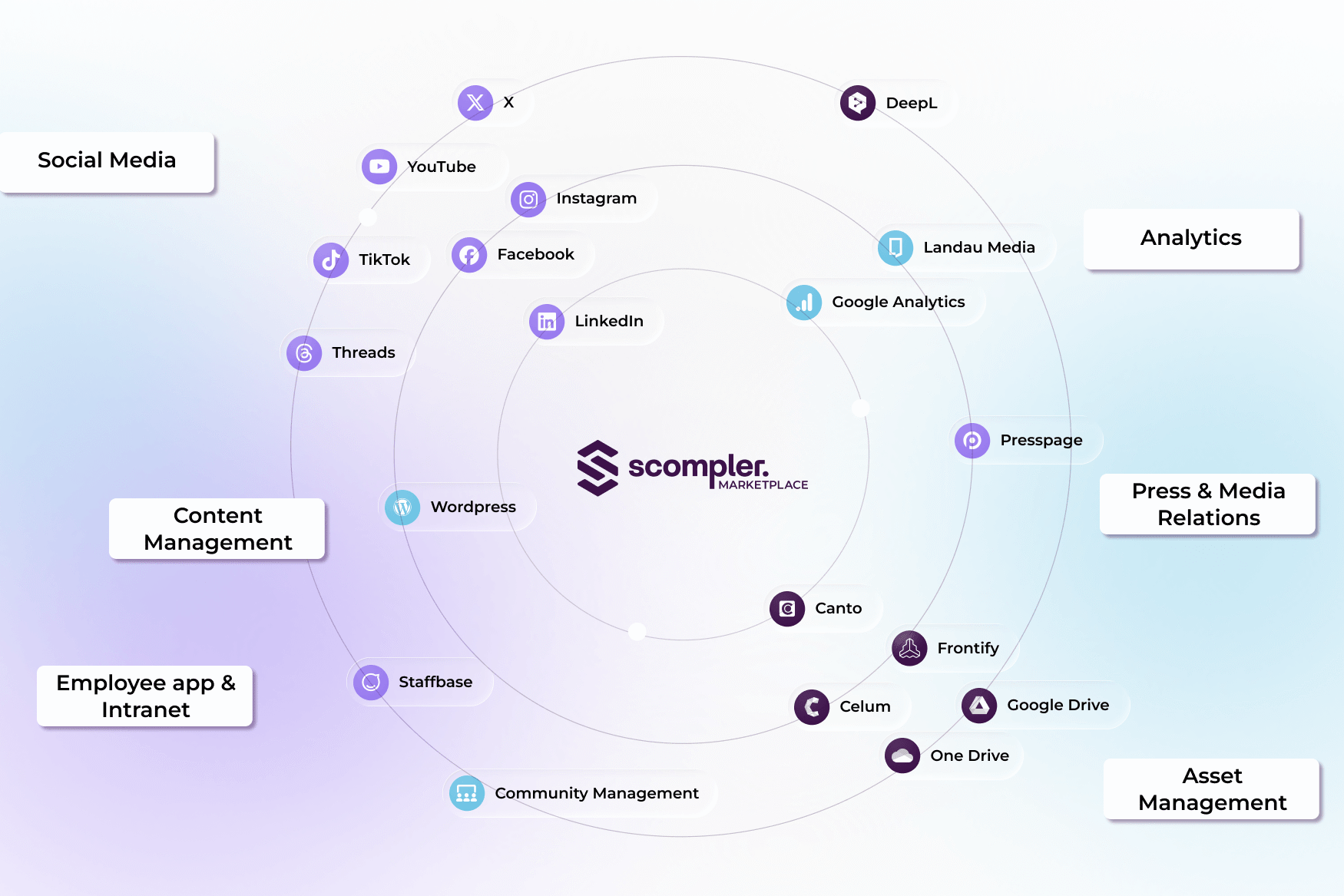
One example is the increasing maturity of marketing tech stacks. There are now such well-developed specialist solutions for practically every requirement in communication and marketing that companies are not opting for a one-size-fits-all marketing suite, but are putting together their tech stack according to the "best of breed" approach. In the future, market success will be determined above all by how "open" a system architecture is, i.e. which interfaces and APIs exist to other systems. Companies already have a very diversified IT landscape, so it is important to be "connectable".
The topic " remains on the agenda of many companies and is even gaining momentum. It is no longer a question of whether, but only of how. After initially investing a great deal of effort in defining organizational and team structures, roles, and processes, companies continue to struggle with the practical challenges posed by the shift from channel-centric to topic-centric approaches. The willingness to cooperate and collaborate, to consciously share knowledge, and to move away from the previously dominant channel-based thinking is not always present.
Transparency across all planning, production and distribution activities is the "game changer" here; it brings added value and creates acceptance for the process in the long term. This also brings the technology component more into focus as an important factor for successful newsroom implementation.
The topic corporate newsrooms" remains on the agenda of many companies and is even gaining momentum. It is no longer a question of "whether" but only of "how."
Michael Schmitz Head of Strategy Consulting & Partner Development
Your signature now reads "Head of Strategy Consulting & Partner Development". How do these functions fit together and what appeals to you about the job?
You're right. The combination may seem a little wild at first glance. But it makes a lot of sense in relation to Scompler.
First, you need to understand how Scompler came into being. It was developed as a tool to solve a specific problem in content strategy development and its operationalization in daily business. In other words, Scompler was developed by communications experts for strategic and operational marketing management in companies. Our DNA is essentially topic-centered planning, and deep strategy integration is the key difference between us and other platforms that have evolved from digital channel management.
At the heart of Scompler is the SCOM Framework. It stands for strategic content marketing, and we have continuously refined this methodology in hundreds of strategy projects. My task is to take the next step-together with Mirko-and develop a methodology toolkit based on this framework, which we use ourselves to advise our customers and which is reflected in many areas of the Scompler platform.
This is where the other part of my function comes into play. Which - I think - is undisputed: By now, content strategy has become professionalized to the extent that it is no longer a matter of coming up with new models and methods; there are established frameworks for that. Agencies, consulting firms, but also the companies themselves can instead concentrate on the actual strategy development and operationalization; SCOM is precisely such a set of methods that has been tried and tested in practice.
Our partner program is currently being developed, and we will make our SCOM methodology toolkit available to our partners as an essential component, enabling them to use an established standard methodology when advising their customers. Those who become Scompler partners will therefore not only receive the platform but also the methodology.