

South Middle Franconia Savings Bank
State-of-the-art content management in Sparkasse's digital newsroom
How do you transform traditional banking communications into a modern, digital newsroom? Sparkasse Mittelfranken-Süd faced this challenge. Within just a few weeks, it succeeded in switching from decentralized Excel lists, channel-driven communications, and silos to efficient, topic-centered content management.
Axel Rötschke, the driving force behind this change project, explains in our case study how the team bundled 30 channels and significantly improved the quality of communication during a challenging merger communication process for a new savings bank region. An insight into a process that is now considered state of the art within the Sparkassen-Finanzgruppe.
"With Scompler, there's no more back-and-forth sending of files. There's one file, one overview. Our processes have become so much more transparent, secure, and efficient. But everything has also changed strategically: today, we take a much more structured approach to our topics."
Axel Rötschke, Managing Editor, Sparkasse Mittelfranken-Süd
Before vs. after: The transformation of Sparkasse Mittelfranken-Süd
What did your communications work look like before Scompler?
Axel: "We had to contend with a lot of silo thinking: the social media manager created texts and graphics, while at the same time a mailing on topic same topic was topic – without any coordination. Everyone organized themselves with Excel lists and Word documents, which was extremely inefficient. Knowledge was often stuck in personal mailboxes. When someone got sick, the team faced a real challenge because it was difficult for others to understand the status of the work. It's one thing to realize that you urgently need this overview in communications work. But in order to really maintain this overview, we absolutely needed software."
About Sparkasse Mittelfranken-Süd
With total assets of €4.6 billion, Sparkasse Mittelfranken-Süd is the leading financial services provider in the region. The institution combines regional proximity with digital innovation. Thanks to its consistent newsroom structure and strategic topic architecture, Sparkasse is now considered the benchmark for modern communication within the Sparkassen-Finanzgruppe.
What has fundamentally changed as a result of using Scompler?
Today, Scompler serves as our central platform for all corporate communications, as well as for some aspects of sales management, which has read-only access to our project. Regarding the point above, with Scompler, there is no more back-and-forth sending of files. There is one file, one overview. Our processes have become much more transparent, secure, and efficient.
But everything has also changed strategically: we now take a much more structured approach to our topics. Whereas content used to simply be 'stranded' after a single use, we now see it in the system and consistently reuse it multiple times. We have noticed that we used to often say we lacked material, but today, with the abundance of content available, we hardly know how to accommodate it all."
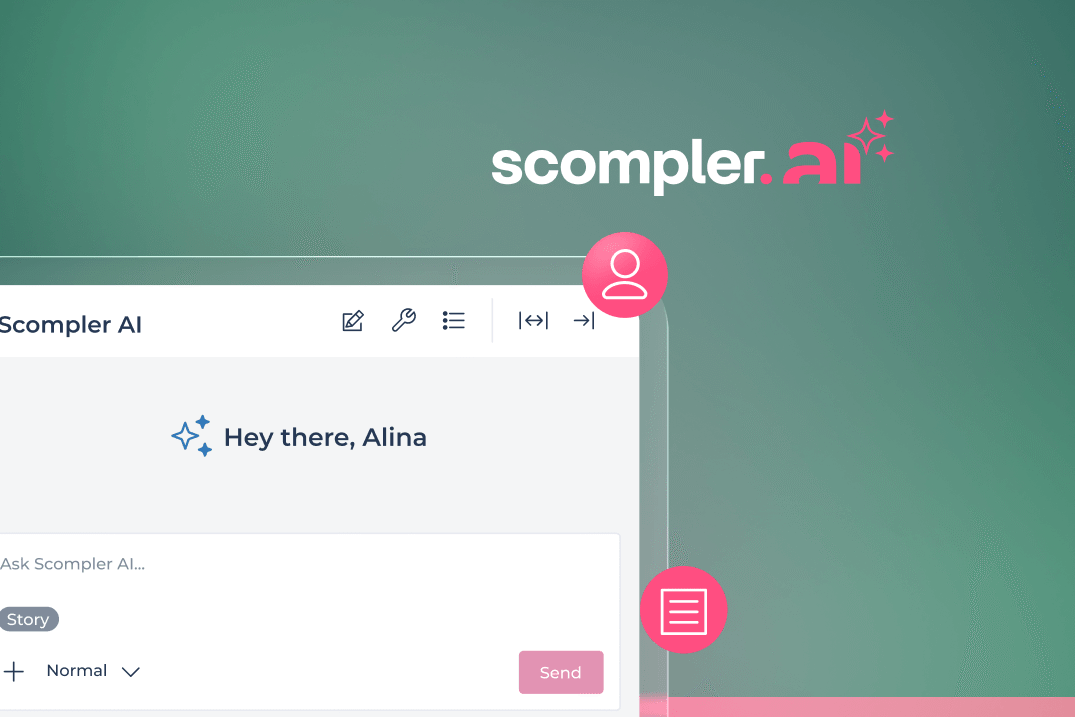
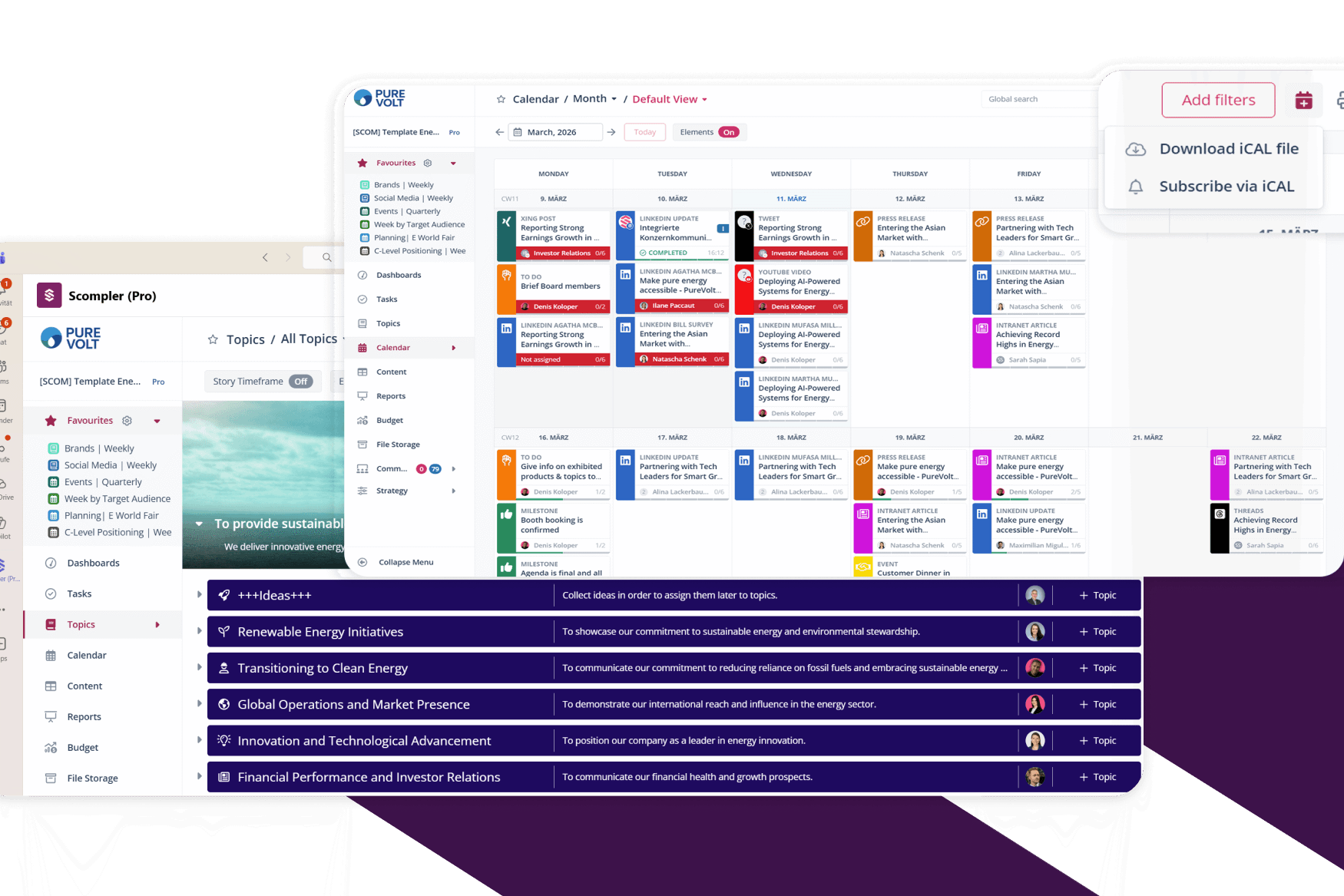
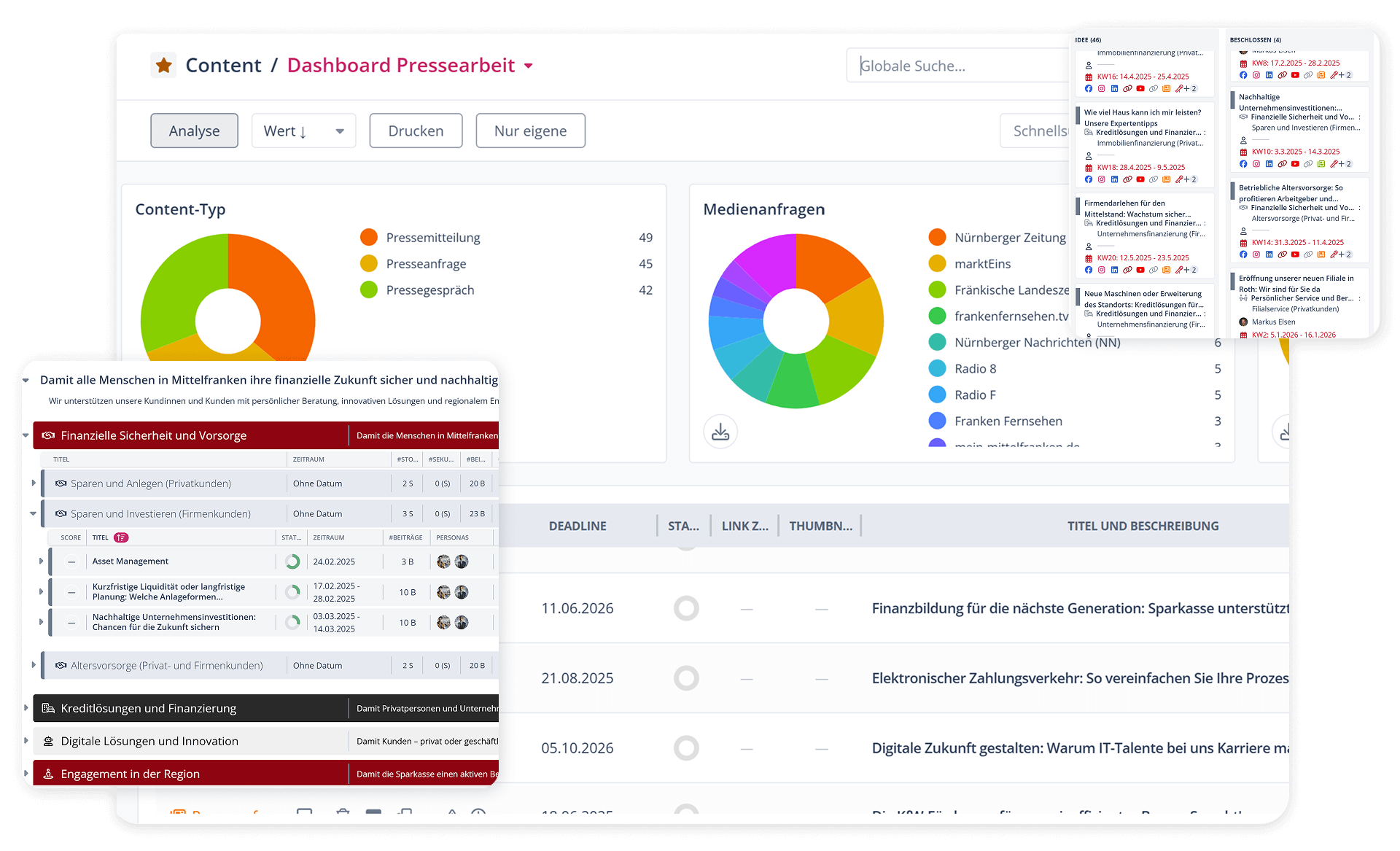
Scompler is the hub of the Sparkasse newsroom: everything from strategic planning to production and distribution takes place here.
Not only did you introduce Scompler, you also changed your organizational structure to the newsroom model. How do you see the connection between the two?
"Both contribute to integrated collaboration. Scompler gives us transparency, strategy, and efficient content operations. The newsroom model gives us structure and clear roles. We have fundamentally professionalized the distribution of tasks and separated channel management from creative management. In the past, for example, our social media colleague did everything herself: photos, texts, graphics. This often came at the expense of quality.
Today, we have specialized teams for graphics, text, and video. It may take a little longer to create a post, but the effect is completely different thanks to the depth of expertise. We are no longer fixated on individual channels, but work in a much more integrated and ultimately more creative way.
In the past, we were extremely dependent on when topics other departments reached us. Today, things are different: those who topics submit their topics on time are usually not included. This leads to noticeable learning effects in partner departments and enables us to shape our communication strategically instead of just reacting to requests.
How did the team react to this change in working methods?
"A change like this doesn't happen automatically. We identified "skeptics" early on and involved them in a targeted manner by giving them access to Scompler in advance. The turning point usually comes when colleagues experience for themselves how much easier it is to view the status of a project at any time and know exactly when things will happen and what the current production status is. Once the added value becomes tangible in their everyday work and they realize that they no longer have to constantly search for everything, skepticism very quickly turns into acceptance."

Axel Rötschke
South Middle Franconia Savings Bank
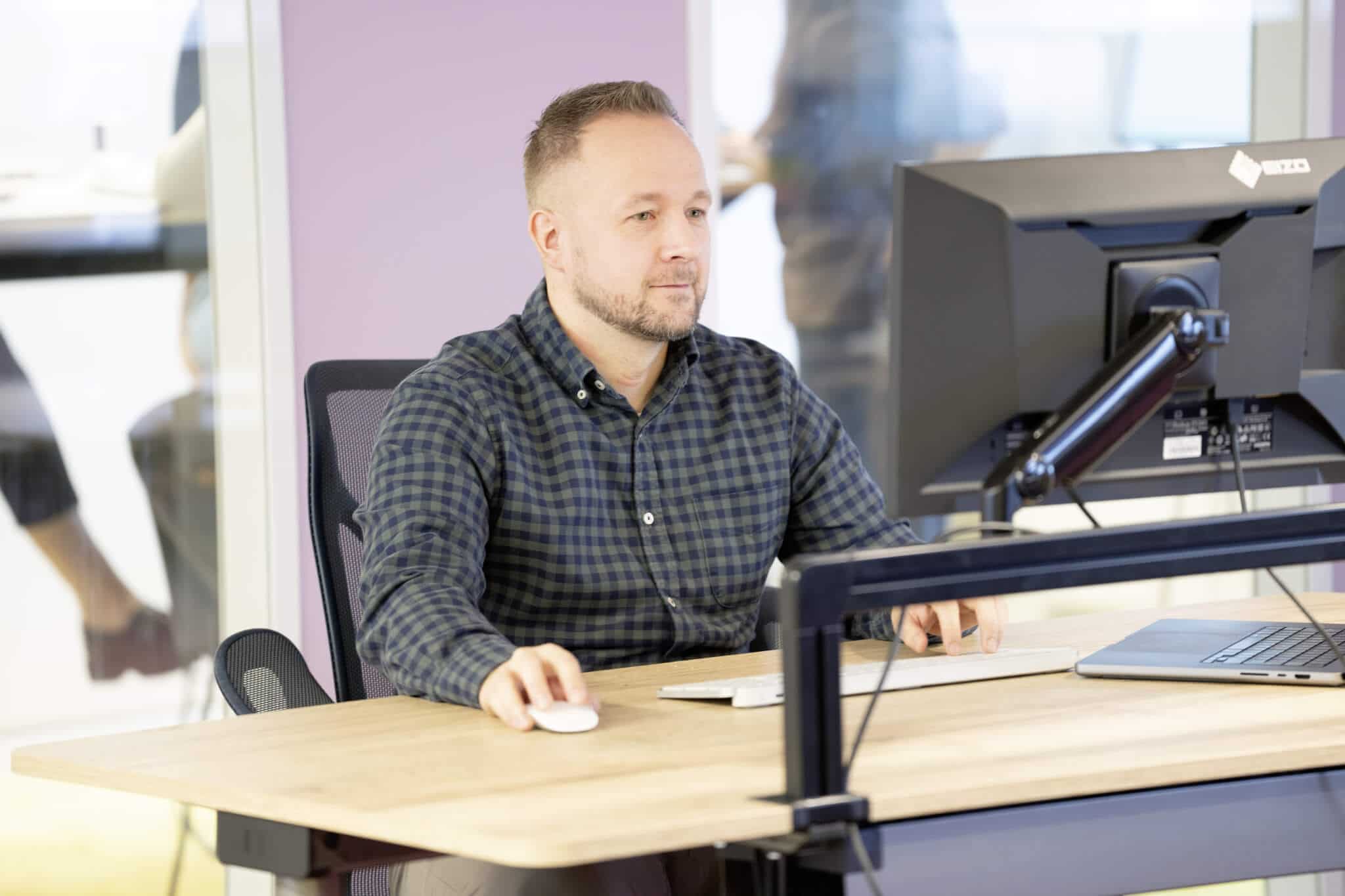
Axel Rötschke is a consultant in corporate communications at Sparkasse Mittelfranken-Süd. As managing editor, he is responsible for setting up a corporate newsroom and introducing Scompler as the appropriate software, as well as for his team's strategic communications planning on the platform. As deputy press spokesman, he also handles press relations and copywriting in the newsroom.
Implementing software within just a few weeks is an extraordinary pace for a savings bank. How did you manage it?
"Normally, such processes take three to four months for us. The fact that we were fully operational within a few weeks was due to the tremendous support from my boss and the extremely close supervision from Scompler. We often received documents and responses on the same day. We had never seen such speed in a change project at our company before. This immediately gave the entire project incredible momentum."
How is this new standard now reflected in the perception of your work?
"The feedback from board members and mayors on our communications work has been overwhelming. Within the savings bank associations, our setup is now considered state of the art. Just recently, we had colleagues from other large savings banks visit us to see our newsroom as a model. We have noticed that we are working less and less in relation to the output we generate today because the processes are simply leaner and we have topics strategic control over our topics ."