



Increasing efficiency in the company: The future of remote work and digital transformation
Companies that were still sceptical before the pandemic have now realized that remote working is not only possible, but also offers many advantages. For example, costs for office space can be saved and employees can be recruited from all over the world.
The importance of digital transformation
Digital transformation is much more than just a buzzword. It describes the fundamental change that companies are experiencing through the integration of digital technologies in all areas of business. The aim is to increase efficiency, serve customers better and open up new business opportunities. Especially in times when remote working is becoming increasingly important, digital transformation represents a decisive competitive advantage. There are various methods and technologies that companies can use to optimize their processes. We take a closer look at some of them below.
Automation of work processes
A key aspect of digital transformation is the automation of work processes. By using intelligent software solutions, repetitive tasks can be automated, saving time and resources. This leaves more room for creative activities and allows employees to focus on more demanding tasks. One example of this is the use of chatbots in customer service, which answer simple queries and thus reduce the workload for the support team.
Cloud computing
The use of cloud services enables companies to store and manage data and software applications on a central platform. This allows employees to access the information they need from anywhere and collaborate regardless of time and place. This not only makes working from home easier, but also promotes efficiency as less time is spent on communication and coordination.
Artificial intelligence
Artificial intelligence (AI) is increasingly revolutionizing the business world. By using machine learning and other AI technologies, companies can analyze large amounts of data and gain valuable insights from it. This enables data-based decision-making, which leads to a more efficient and targeted way of working.
Remote work as a driver of digital transformation
Companies that were still sceptical before the pandemic have now realized that remote working is not only possible, but also offers many advantages. For example, costs for office space can be saved and employees can be recruited from all over the world.

However, it is only through digital transformation that remote work becomes truly efficient and successful. By using digital tools and technologies, teams can collaborate effectively and successfully complete projects even over long distances. Video conferencing and virtual meetings also make it easier to communicate with customers and partners. This enables companies to extend their reach and tap into new business opportunities.
Growth through flexibility: office work, remote work and workation
Modern office working has changed significantly in recent years, particularly with the increasing acceptance of remote working and the popularity of workstations. This flexibility allows employees to work from different locations, which can not only increase productivity but also improve work-life balance. Companies are increasingly recognizing the need to adapt to these changes and many are offering hybrid working models that allow employees to work both in the office and remotely.
The advantages of these approaches are manifold: employees enjoy more freedom and autonomy, which leads to greater satisfaction and motivation. In addition, the possibility of combining work with travel is proving appealing as it opens up new perspectives and encourages creative thinking. In light of these developments, it is becoming essential for companies to rethink their cultural and structural approaches in order to attract and retain talented employees in the long term.
What is meant by the effectiveness of a company and how does it differ from productivity?
The effectiveness of a company refers to its ability to achieve the set goals and results, while productivity is often seen as a measure of the efficiency of the resources used. An effective company is able to deliver high quality results while meeting the needs of its customers. This can be achieved through strategic planning, clear lines of communication and the constant adaptation of business processes to changing market conditions.
In contrast, productivity refers to how much output is generated from a given amount of input. It is possible for a company to be very productive, but not necessarily effective, if the goods or services produced do not meet customer requirements or expectations. Therefore, it is crucial that companies develop both effective and productive strategies. By combining increased efficiency and effectiveness, companies can remain competitive in the long term and achieve their goals sustainably.
One example of this is the introduction of software solutions for managing projects, which enables better communication and collaboration between teams. Such improvements achieved through process optimization not only lead to better use of resources, but also to higher levels of satisfaction among customers and employees.

Best practices: How large companies have successfully mastered digital transformation
Increasing efficiency in a company means improving the ability to perform tasks and processes faster and with fewer resources. This improvement can be achieved through numerous approaches, including the digitalization of work processes. Increasing efficiency through digitalization means using technological solutions to transform traditional ways of working and thus save time and costs.
It is important to distinguish between efficiency and effectiveness. While efficiency evaluates the resources used, effectiveness focuses on the result. Both concepts are crucial for the success of the digital transformation.
Digitalization offers enormous opportunities in this context. It makes it possible to automate repeatable tasks, minimize errors and improve communication. Increasing efficiency through digitalization is therefore a central starting point for modern business strategies. Here are a few examples:
Siemens - Efficiency through digital twins
Siemens recognized the benefits of digital transformation at an early stage and relies on so-called digital twins. Digital twins make a significant contribution to process optimization by improving workflows and increasing efficiency. These are virtual images of physical products or processes that can be monitored and optimized in real time. This technology has enabled Siemens to make production processes considerably more efficient and reduce maintenance costs.
Adidas - Personalization through big data
Adidas uses big data and artificial intelligence to optimize purchasing and production. With the help of data analysis, the company can react more quickly to market trends and offer personalized products. This not only leads to greater customer satisfaction, but also to more efficient warehousing and faster delivery times.
Bosch - Sustainability through IoT
Bosch relies on the Internet of Things (IoT) to connect its production facilities and collect data in real time. Optimizing energy consumption and material usage improves the company's output by increasing efficiency and conserving resources. This data is used to optimize energy consumption and material usage, which not only saves costs but also improves the company's sustainability.
Volkswagen - Virtual reality for training and design
Another inspiring example of the use of digital technologies is Volkswagen, which uses virtual reality (VR) to optimize training and vehicle design. With VR, the company can offer its employees immersive training experiences where they can train in realistic environments without using physical resources.
Automattic - Crisis-proof thanks to decentralized structure
A good example of the efficient use of remote work and digital transformation is the company Automattic, which is behind the popular content management system WordPress. At Automattic, all employees work remotely and use various tools such as Slack, Zoom and Google Docs for communication and collaboration. Thanks to this decentralized structure, the company can react quickly to changes and is well positioned even in times of crisis.
Zalando - speed through agile corporate structure
The German online fashion retailer Zalando is also a pioneer when it comes to digital transformation. The company relies on an agile corporate culture and uses tools such as Slack, Trello and Google Hangouts for internal communication and collaboration. This allows work processes to be adapted flexibly and innovations to be implemented more quickly.
Technologies and software that make a significant contribution to increasing efficiency
Digitalization has given rise to a wide range of technologies and software that help companies to increase their efficiency. Here is an overview of some of the most important tools:
Google Cloud - Cloud computing and data storage
Google Cloud offers a comprehensive platform for cloud computing services that enables companies to securely store and analyze data and host applications. The flexibility and scalability of this solution help companies to optimize their IT costs and respond quickly to market changes.
Amazon Web Services (AWS) - Infrastructure and services
Amazon Web Services is a leading provider of cloud services and offers a wide range of tools that can optimize business processes. With AWS, companies can operate their infrastructure more efficiently, from servers to databases and machine learning, leading to a significant increase in efficiency and a reduction in costs.
Microsoft Teams - Communication and collaboration
Microsoft Teams has established itself as a central tool for internal communication and collaboration in companies. It enables seamless real-time collaboration, video conferencing and the integration of third-party apps, which increases the efficiency of Teams and promotes adaptability in a dynamic working environment.
Slack - Efficient team communication
Slack is another crucial tool that has revolutionized communication and collaboration in companies. It enables teams to communicate in real time across channels, share files and use integrations with other applications. By reducing emails and promoting an open communication culture, Slack helps to increase productivity and improve workflow efficiency.
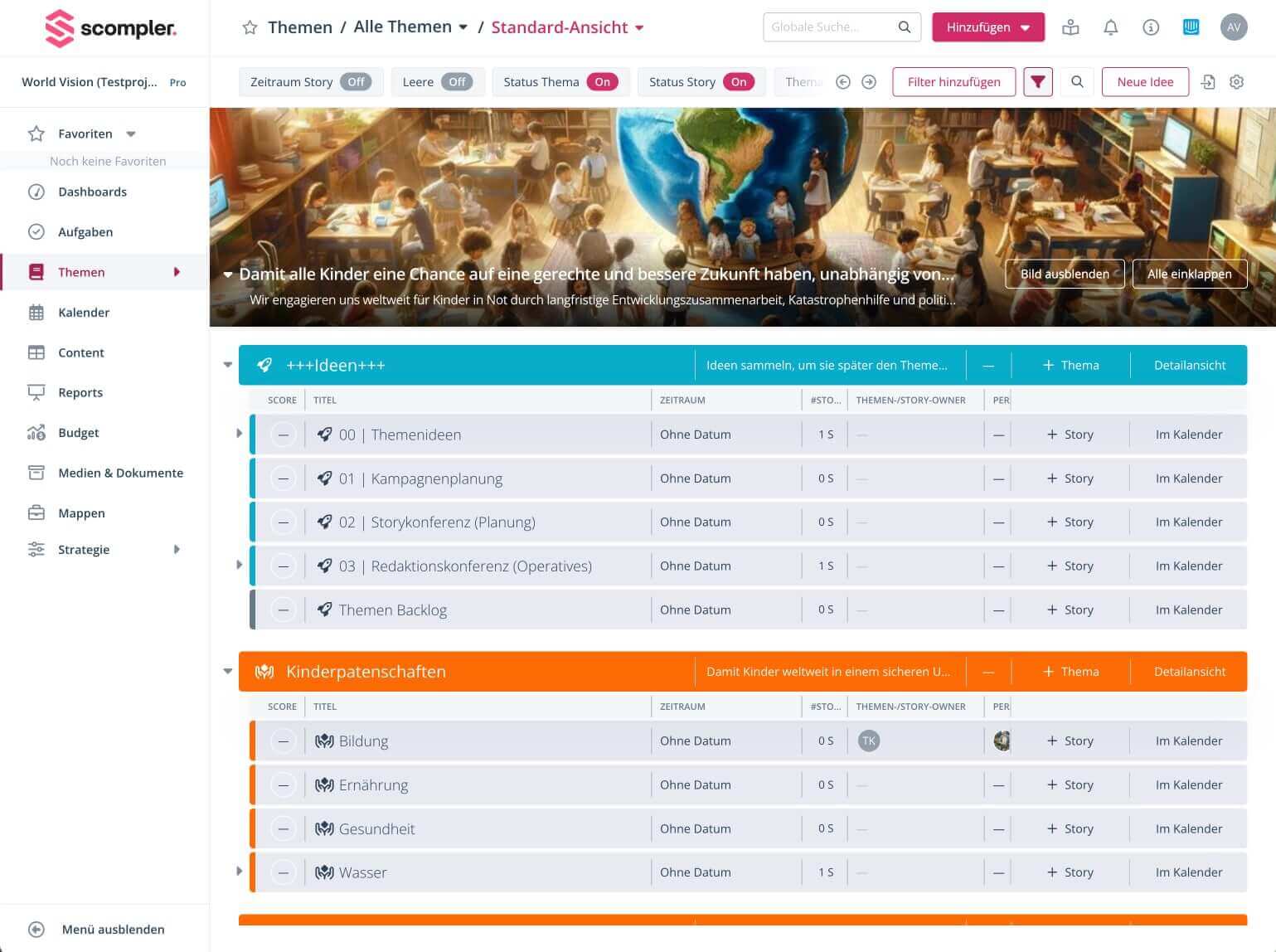
Scompler – Efficiency in communication
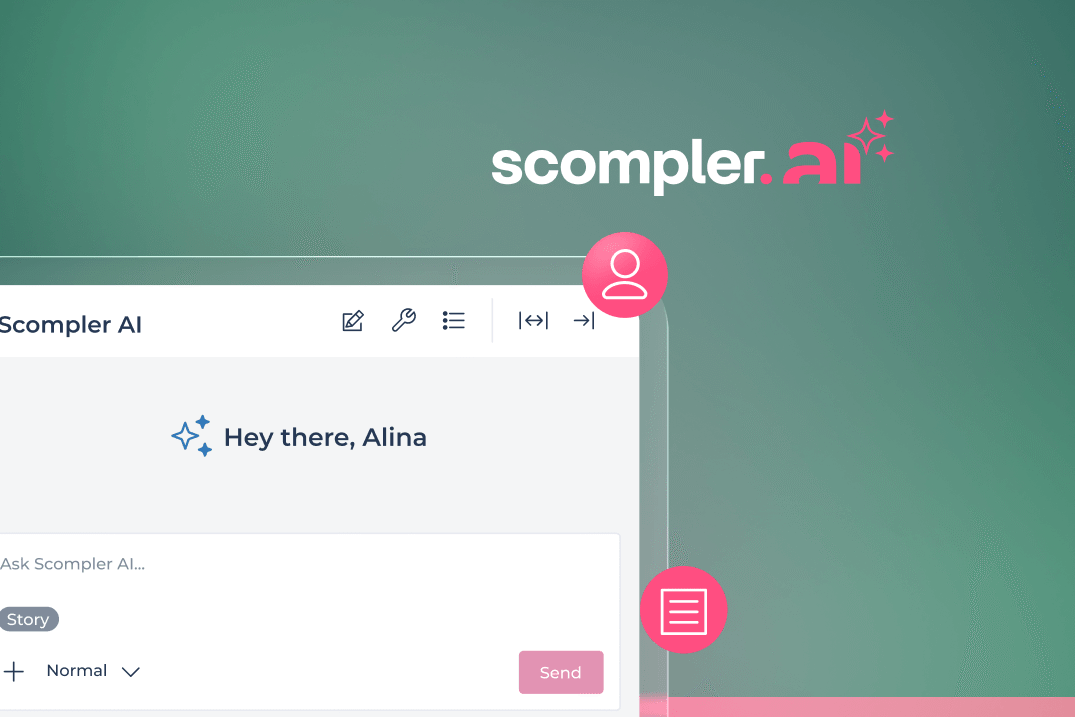
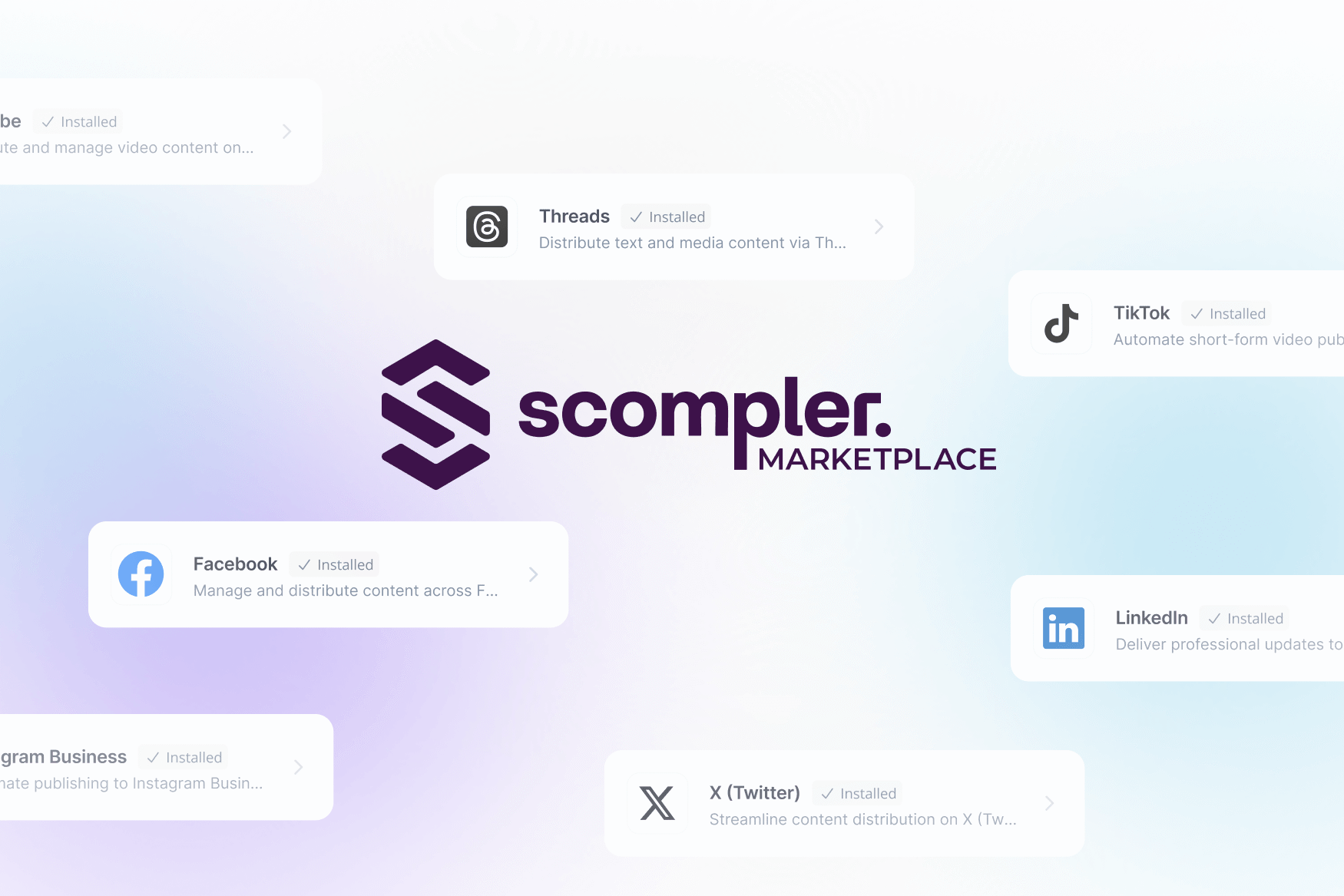
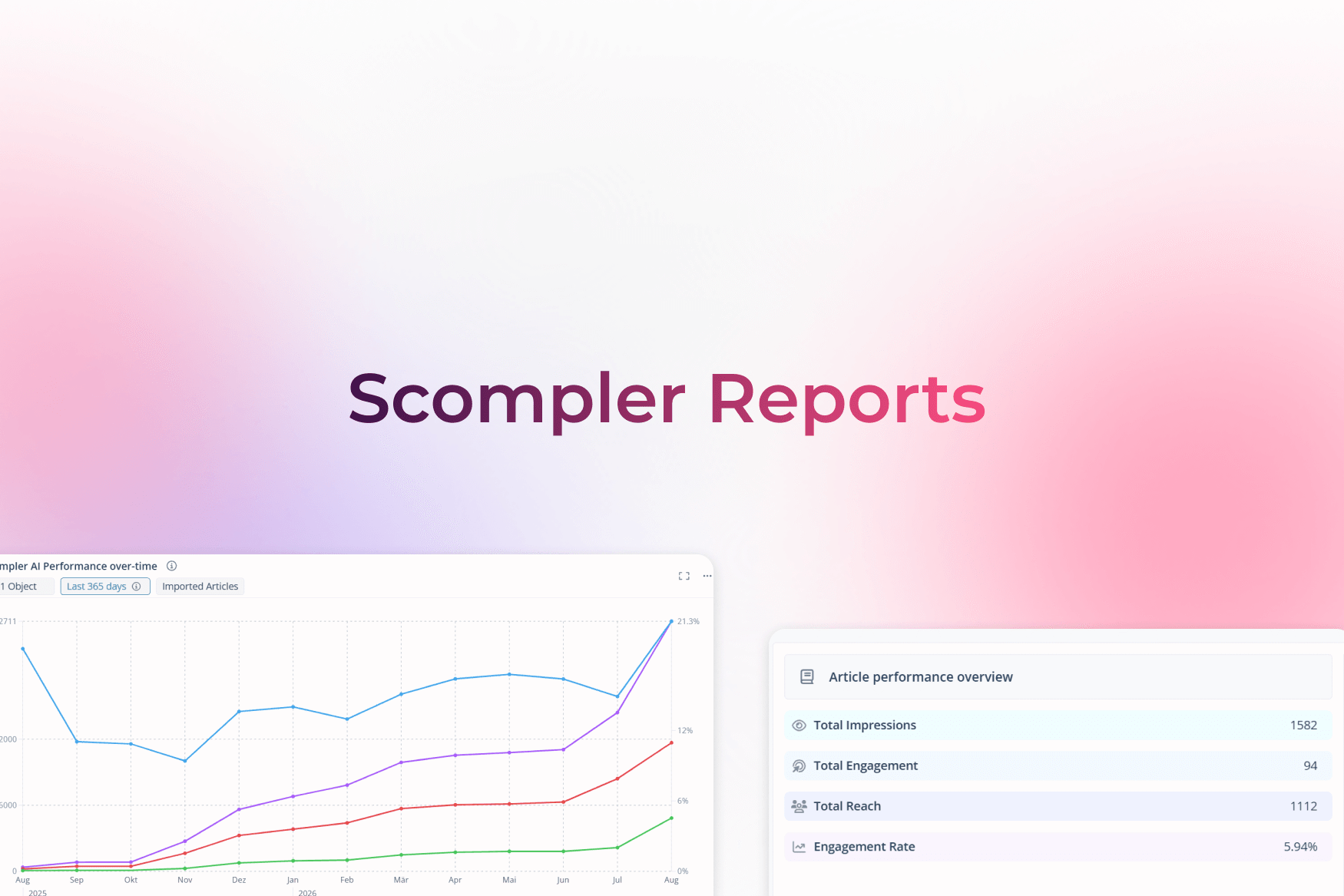
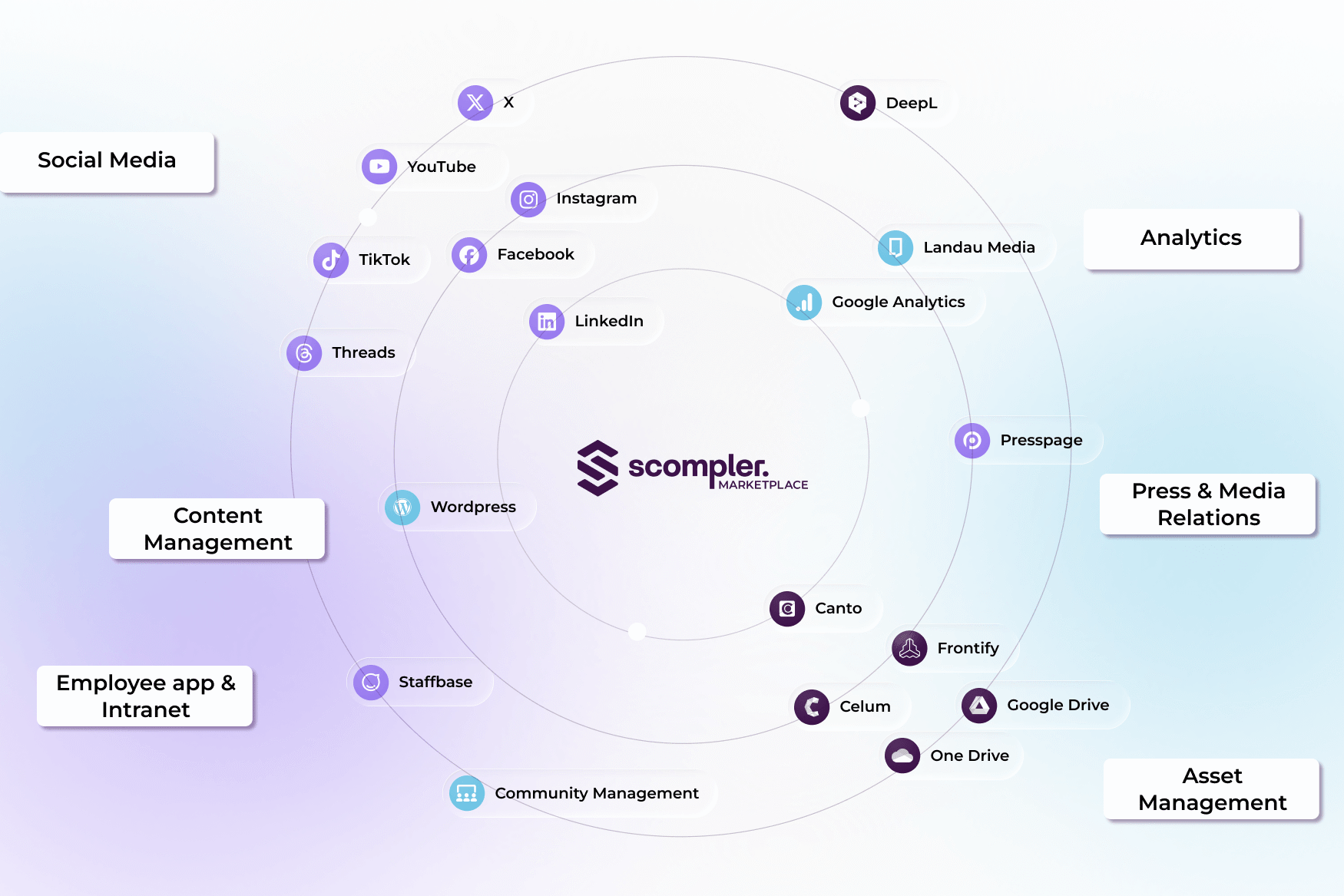
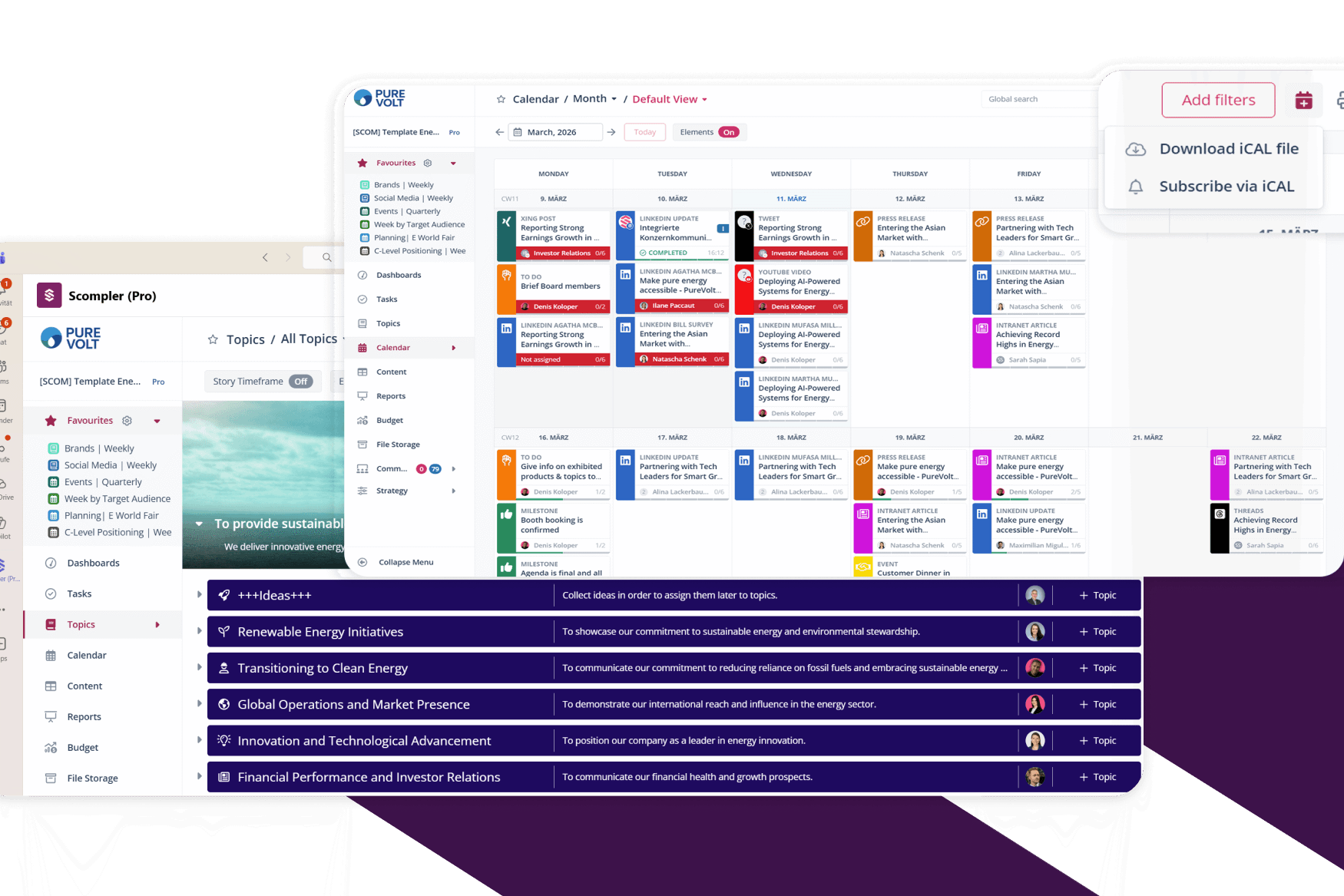
Scompler is a web-based platform that enables users to plan targeted campaigns, optimize their approach to target groups, and continuously monitor and adjust results. Marketing teams and global editorial teams in particular benefit from the platform's features.
10 tips for implementing efficiency improvements in your company
Increasing efficiency in a company requires a systematic and well thought-out approach. Here are ten tips that can help identify potential and optimize processes step by step:
- Analysis of existing processes: Start with a detailed review of current workflows to identify bottlenecks and potential for improvement.
- Set goals: Define clear, measurable efficiency improvement goals to create focus and track progress.
- Involve employees: Actively involve your employees in the change process, as they often have valuable insights into existing problems.
- Use digital tools: Implement technology, such as project management software, to organize tasks and improve the flow of information.
- Regular training: Provide training to ensure that all employees understand and can use the new tools and processes.
- Create feedback opportunities: Establish regular feedback loops to hear employees' opinions and make adjustments.
- Implement small changes: Test new approaches in small steps to see what works before making major changes.
- Define key performance indicators: Set specific KPIs to make the success of efficiency improvement measures quantifiable.
- Measure and analyze results: Regularly monitor the performance resulting from the changes to see if the goals set are being met.
- Promote cultural change: Create a corporate culture that supports change and encourages the continuous search for new solutions.
By implementing these tips, companies can not only increase their efficiency, but also establish a culture of continuous improvement.
Conclusion: The future belongs to digital transformation and remote work
Digital transformation is becoming increasingly important when it comes to boosting business efficiency. This offers enormous potential, particularly in connection with remote working. Companies that seize the opportunities offered by digital transformation and embrace remote working will enjoy long-term success and remain competitive in an increasingly networked world. It is therefore important topics these topics at an early stage and develop appropriate strategies. The future belongs to companies that are prepared to continuously evolve and take advantage of the opportunities offered by digitalization.
Digital transformation offers enormous potential for companies. Through the targeted use of digital technologies, business processes can be optimized, efficiency increased, and new business areas opened up. Successful examples such as Siemens, Adidas, and Bosch show how this can look in practice. Tools such as Scompler also help to improve communication and collaboration within companies. Take advantage of the opportunities offered by digital transformation and play an active role in shaping the future of your company.
Fancy more?
Learn how Scompler can help your company optimize communication and increase efficiency.