






Strategic content marketing - a framework for strategy development

Yesterday I gave my presentation at the Content Marketing Conference. I was allowed to hear the first one and then decided at short notice to expand the presentation a little because I had the feeling that there was still a lot of categorization missing. It now seems very long with 134 slides - but I got through it in a good three quarters of an hour. Over the past three years, I have used this method to develop the content strategy for three international corporations and a large medium-sized company - and it is currently being implemented successfully. I have illustrated the steps in the framework with examples of strategy development for Thomas Krenn.
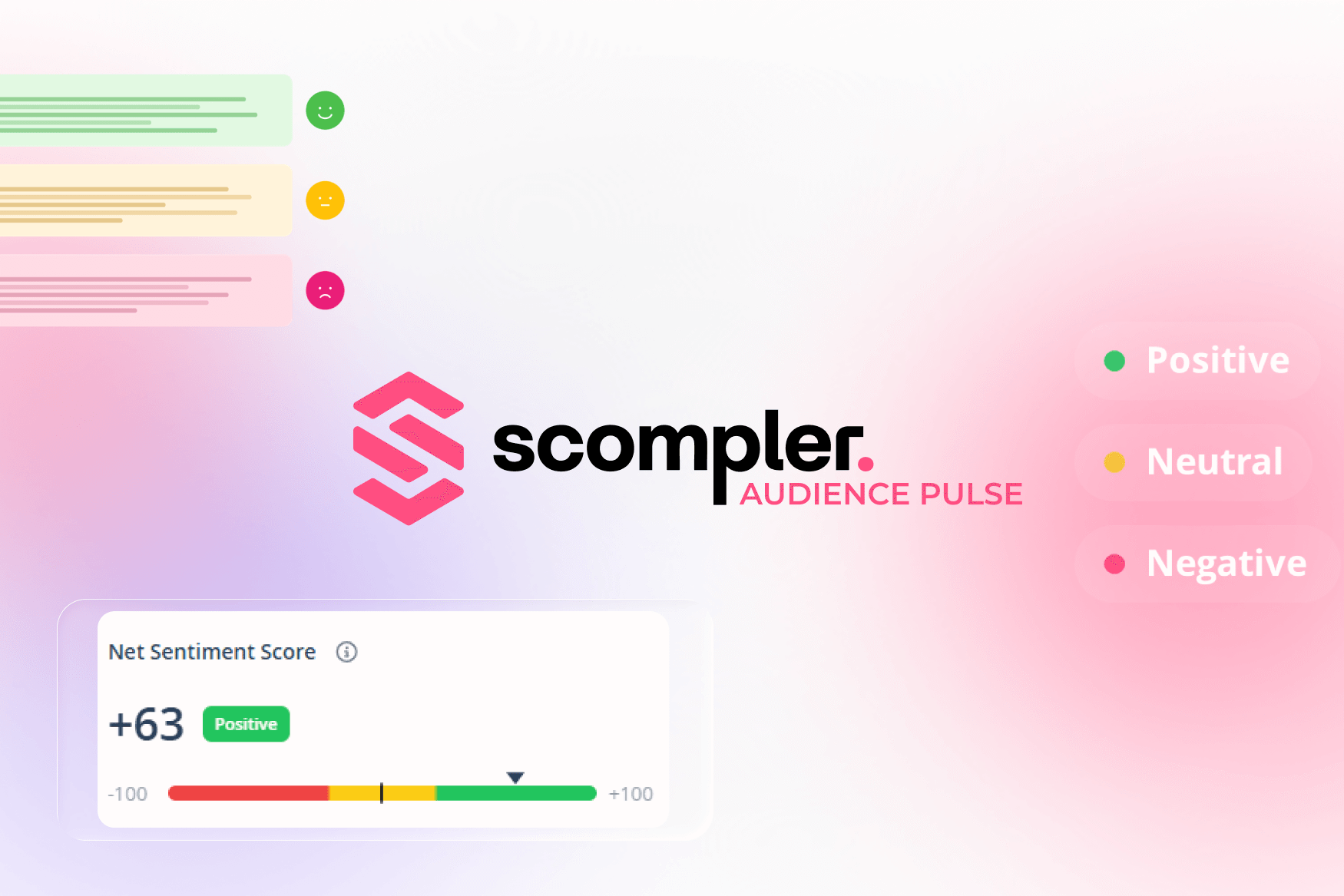
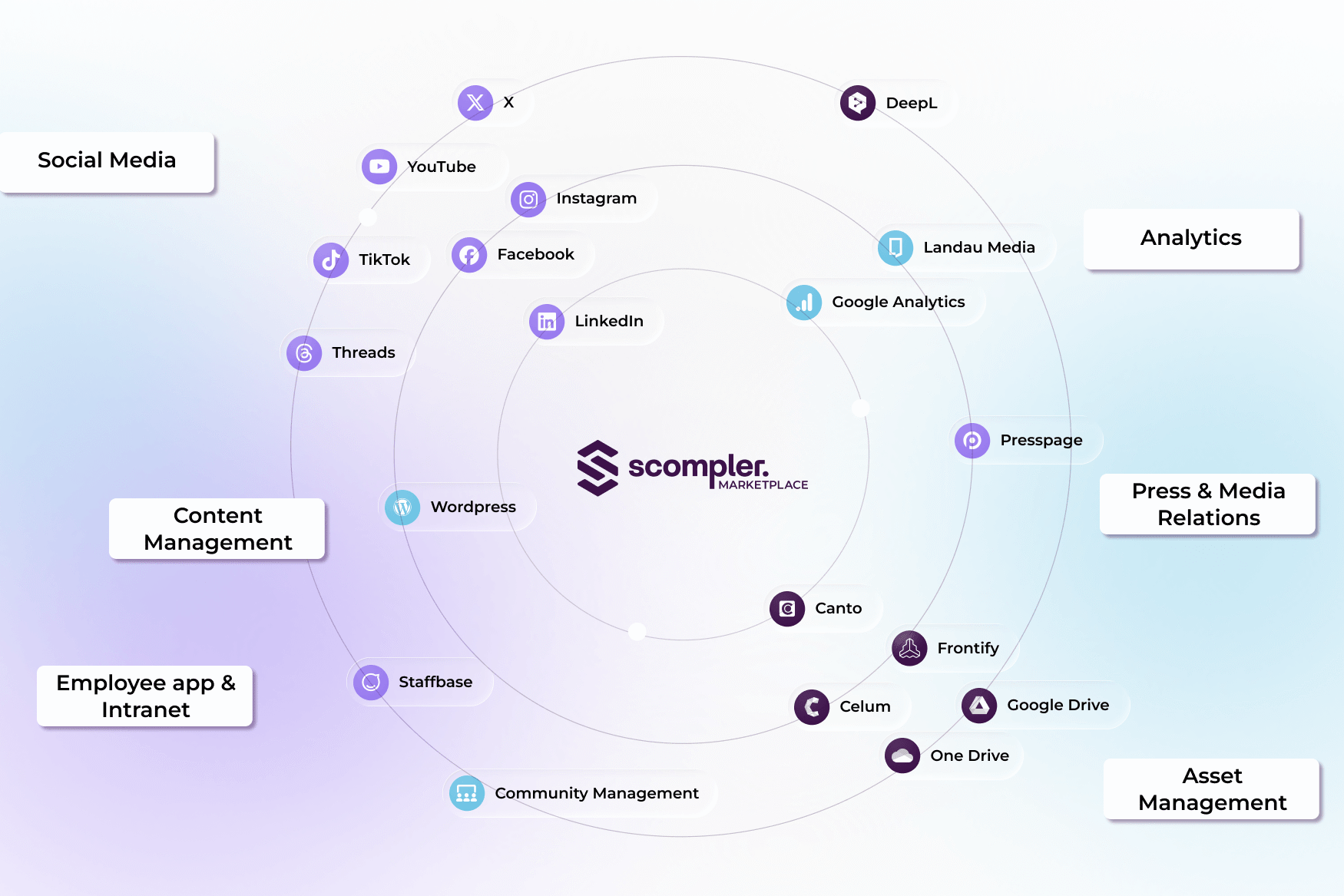
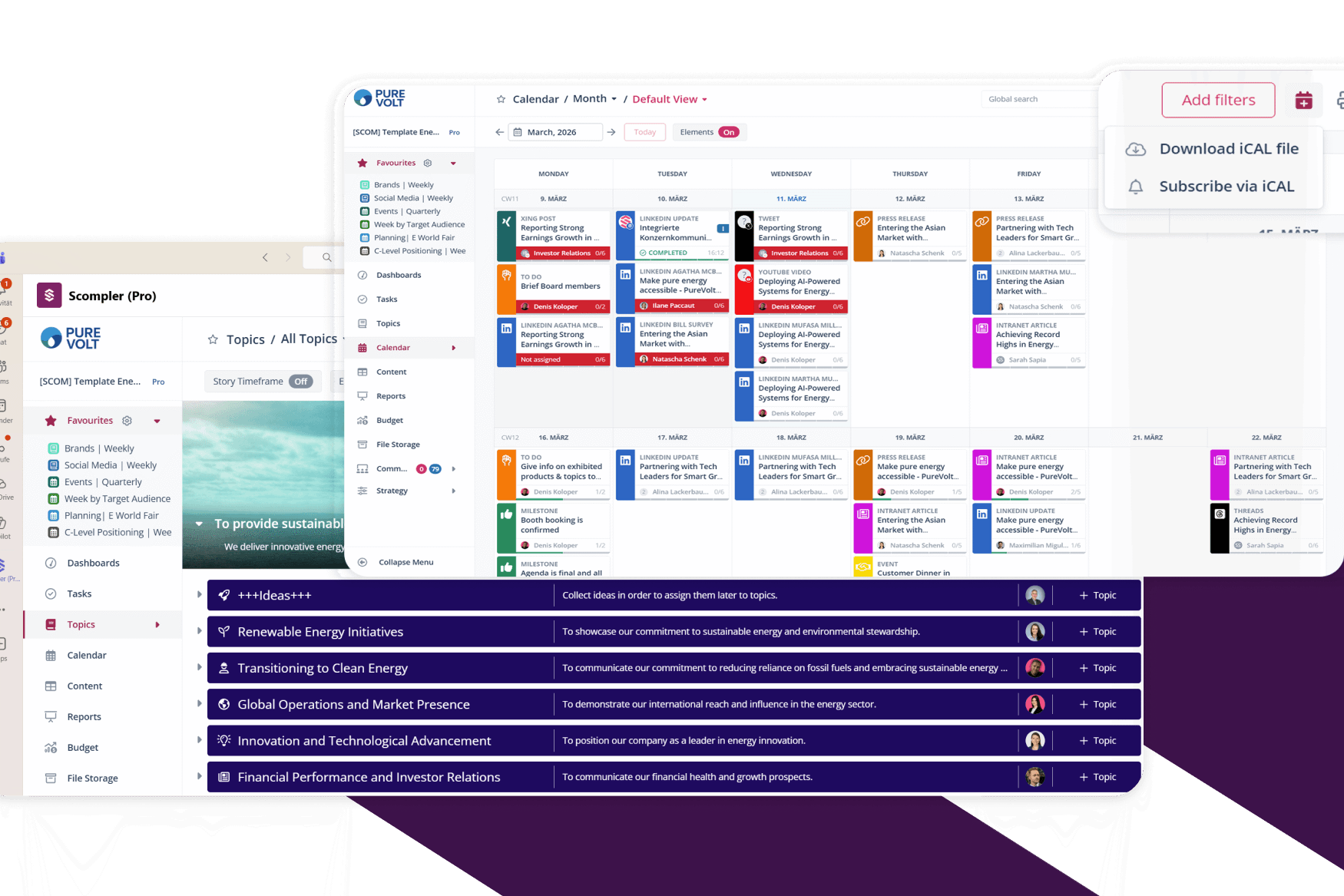
But what is most important to me is the link to "Scompler" in the last part. Because here it becomes clear that Scompler is not just any tool, but is based on a very clear method. I developed Scompler to be able to implement this very framework. Because one thing is clear: Excel is unsuitable for such comprehensive concepts. And after a lot of research and many discussions with colleagues, I know that there has not been a tool that can do this until now.
However, according to the survey, companies in the financial services sector tend to neglect content, even though it is an essential part of their customers' quality of experience.
A quarter of the participants namedthe optimization of the customer experience as the area with the greatest potential for the current year and 81% rated the optimization of the customer journey as "very important".
However, companies in the financial services sector are less likely to mention the creation of compelling content for digital experiences (7% compared to 14% in other sectors). The results of the survey suggest that companies are more likely to deal with digital customer experiences as an overall concept and, above all, focus on the use of new technologies.
For example, self-assessment of digital maturity rose from 9% to 17%. This suggests fundamental investment and the high importance topic digitalization as topic strategic topic . However, in terms of content, this central component seems to be given surprisingly little strategic importance.
The demand for high-quality customer experiences requires companies to place the customer at the center of communication and the entire business model in a new way; to play out the right content at the right time in the right format on the right channel. In particular, this also means that without content, even the most elaborate omnichannel architecture will be a yawning void. Only with relevant content can you meet customer needs in different phases of the customer journey.