







Guide: From corporate strategy to topic architecture
Communication can only be effective if it is clearly derived from the corporate strategy. This is precisely where the topic architecture comes in: It creates the link between strategic alignment and operational implementation. This guide shows you how to develop a resilient topic architecture from corporate goals - with clear methods, a multi-perspective analysis and tips for operationalizing the topic strategy.
Many companies fail to communicate their actual goals - not due to a lack of content, but because there is no overarching structure. Content is often created reactively - as a result, messages remain fragmented, resources are scattered and impact and added value are lost.
From corporate strategy to effective topics
"But what is the actual purpose of our communication?"The answer does not lie in individual measures, but in the corporate strategy itself-in other words, in the vision, mission, values, and goals. These elements form the starting point for any topic architecture.
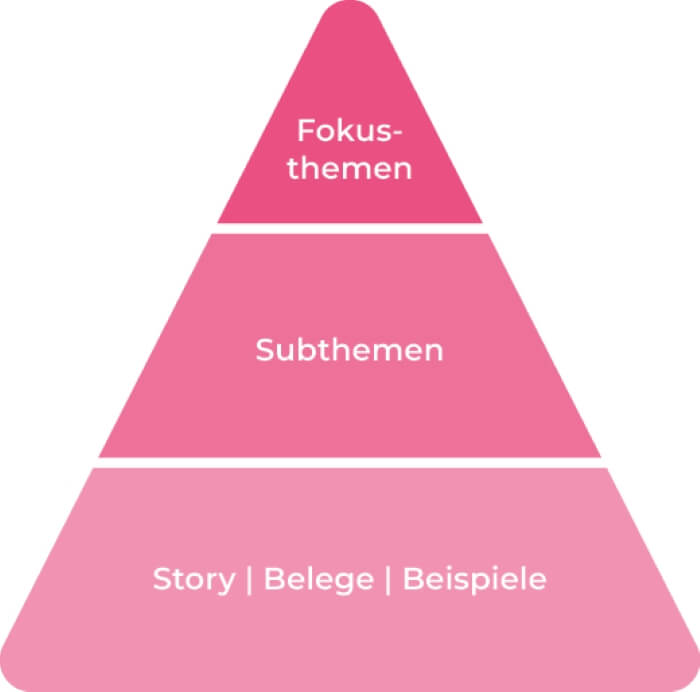
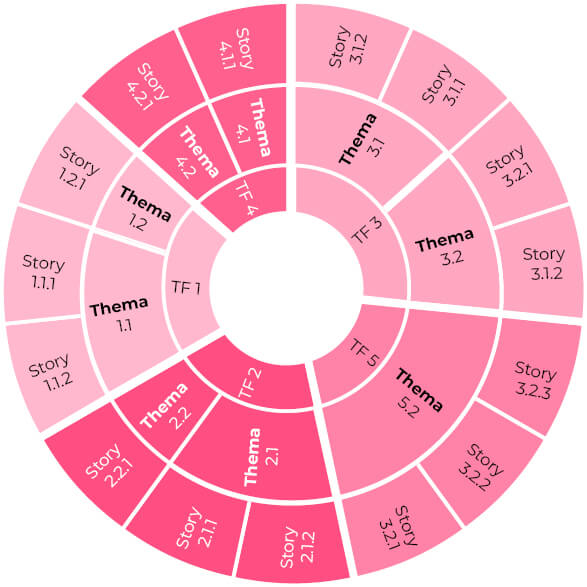
She translates the company's objectives into logically structured subject areas, concrete communication topics finally into specific stories-with a clear target group approach, message, and channel strategy.
Four analysis perspectives for well-founded topic development
Effective topic architecture is based on analysis, context, and strategic judgment. Anyone who topics must not only know what the company wants to say, but also what stakeholders want to hear, what drives the market, what is culturally compatible, and what is realistically achievable in terms of communication.
This is why topic development requires different analytical perspectives, which we discuss in detail in the guidelines. These perspectives form a systematic grid that provides orientation and at the same time creates strategic depth. Each perspective has its own analytical tools and is particularly suitable for certain issues.
- Company perspective: What strategic goals (vision, mission, identity, values) does the company pursue-and which topics these tangible in terms of communication?
- Target group perspective: Which topics relevant for our target groups?
- Market and competitive perspective: Which narratives dominate the market? And how can we differentiate ourselves
- Social and cultural context: Which social, political, or cultural topics our communication?
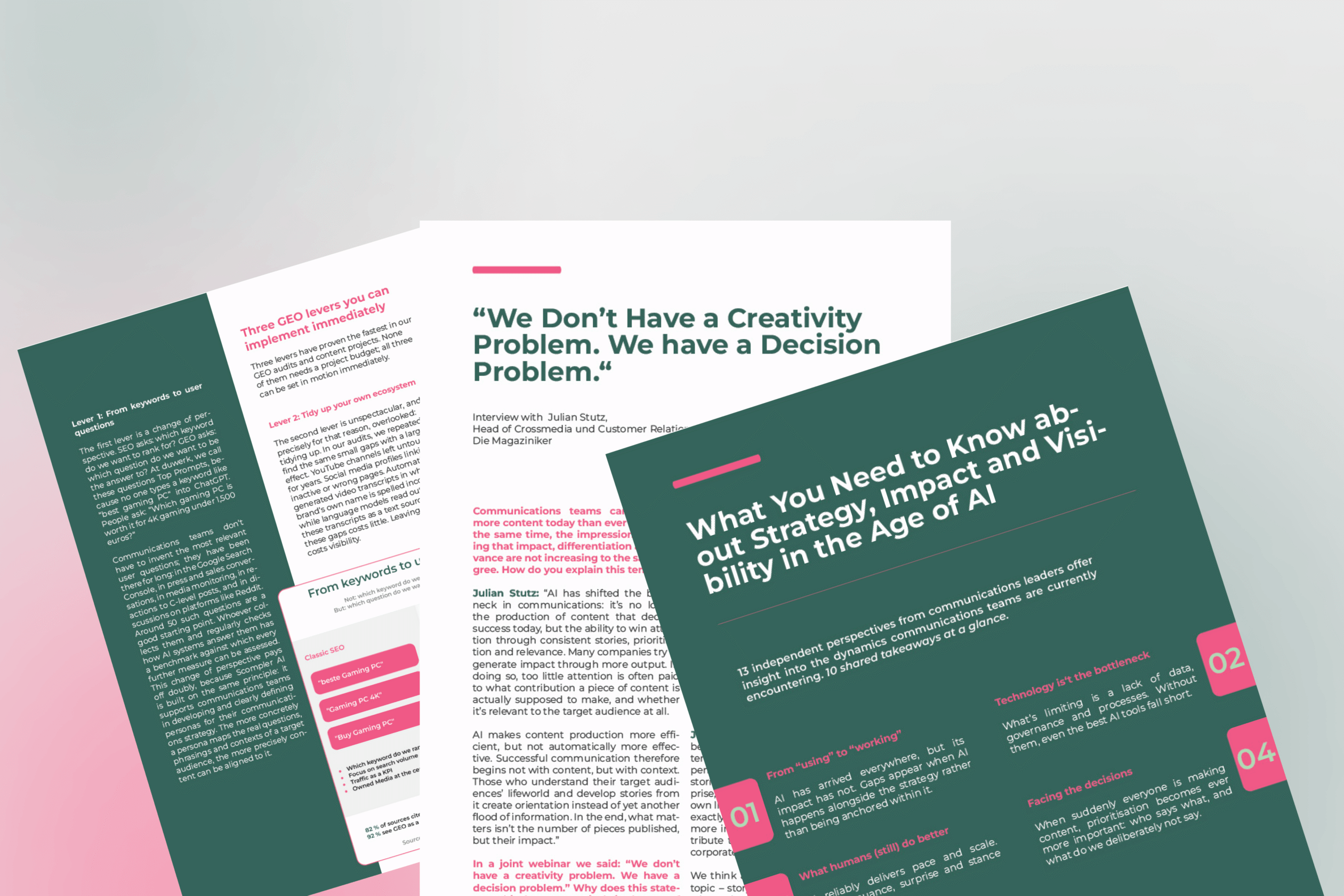
You will find a clear table on the central questions, objectives and application tools of the four perspectives in the guide: Download now
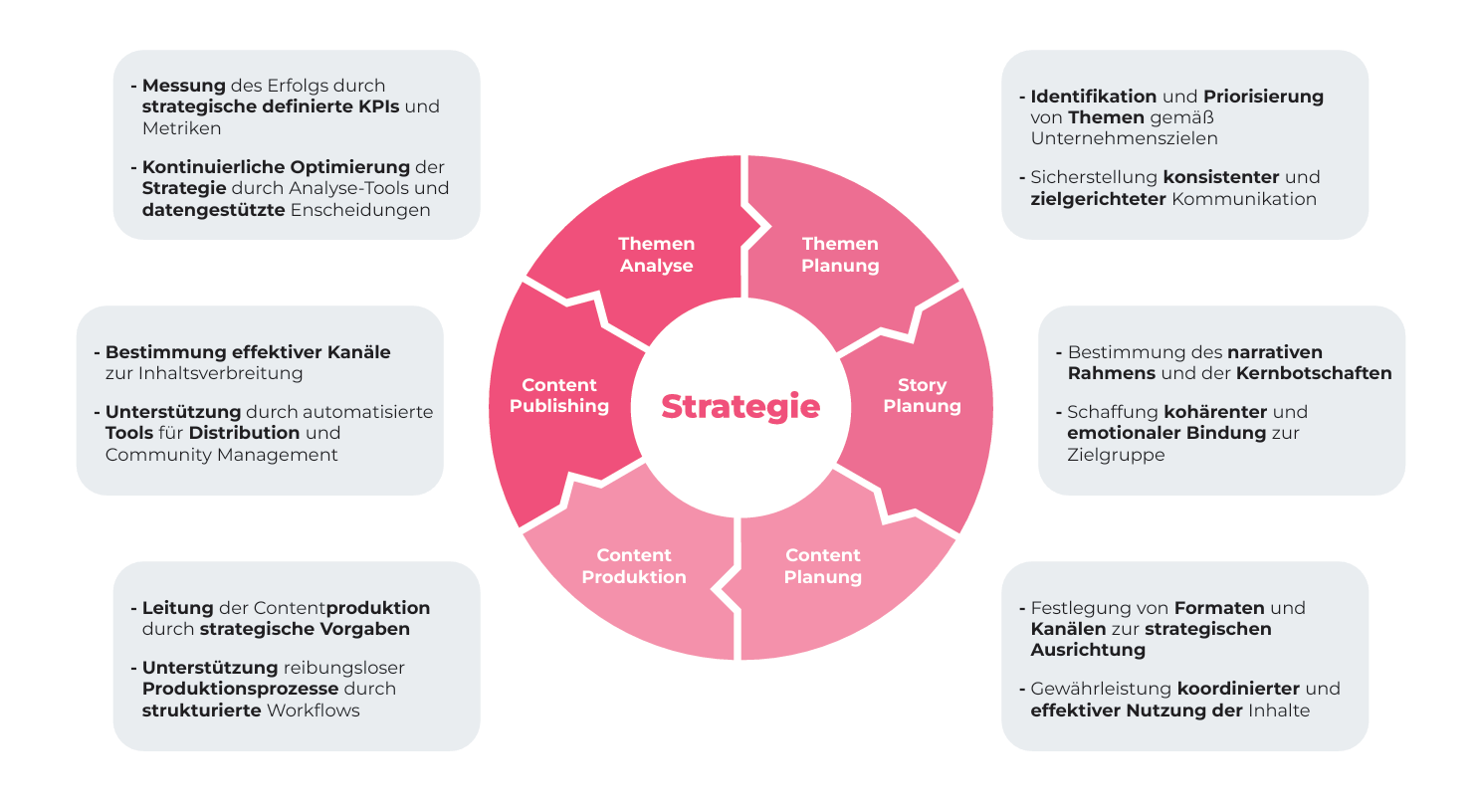
The six central areas of the communication strategy - from topic planning to content production and analysis - build on each other logically and are closely linked. The corporate strategy is always at the center as the controlling basis.
Five methods for structuring and operationalization
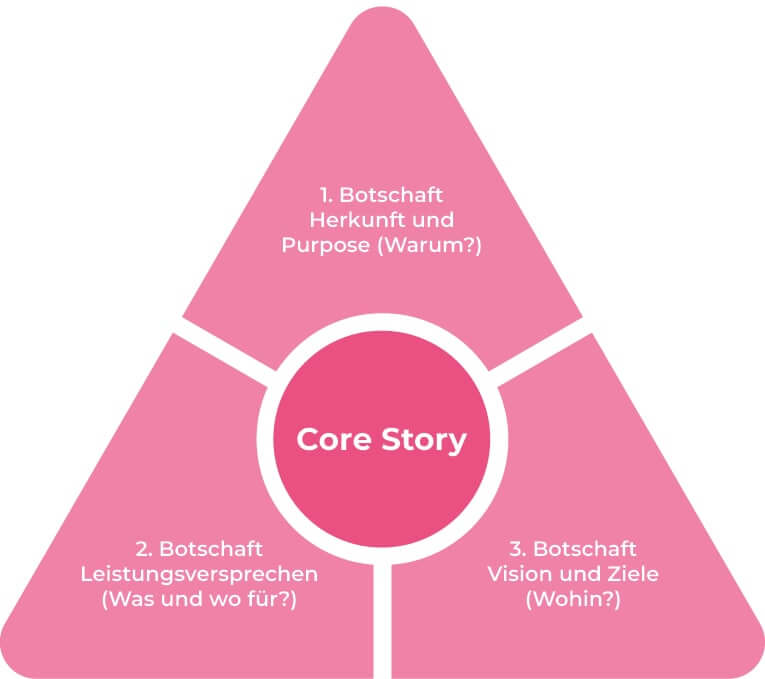
The following five tools help to topics derive topics , structure them in a meaningful way, and implement them operationally-from message formulation to editorial planning.
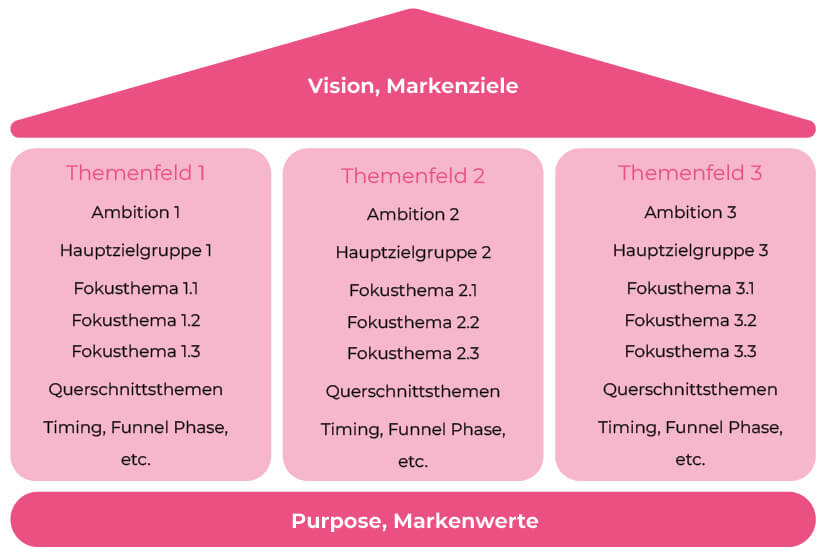

From structure to implementation: anchoring topic architecture in everyday life
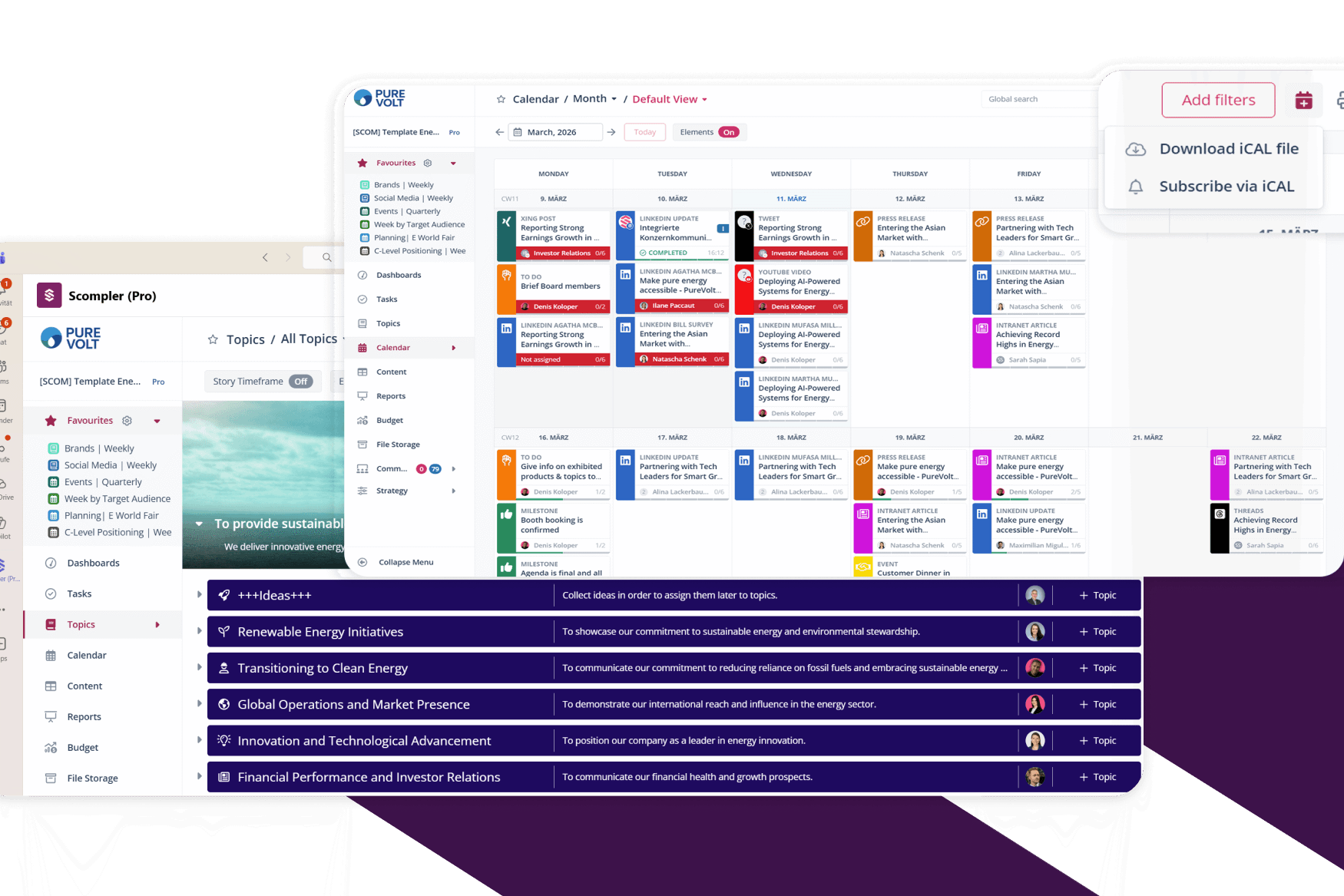
A strategically developed topic architecture only reveals its value when it is integrated into operational processes. This involves topics reviewing and prioritizing topics and translating them into concrete measures-with clear responsibilities, coordinated schedules, and defined KPIs. In this way, the topic architecture becomes not only a planning instrument but also a continuously controllable management tool for communication.
Conclusion: Advantages of a topic architecture
A systematically structured topic architecture:
- ensures strategic clarity by closely linking communication activities with the company's objectives,
- creates transparency regarding topics, responsibilities, and priorities,
- enables efficient resource management by creating focus and reducing ad hoc operational communication,
- improves internal collaboration because everyone involved works with a standardized structure and language,
- and makes impact measurable by linking topics KPIs.
If you want to make communication effective in the long term, you need a sustainable content model. This is exactly what the topic architecture offers: a structured bridge between strategy and story, between objectives and impact, between organization and implementation.